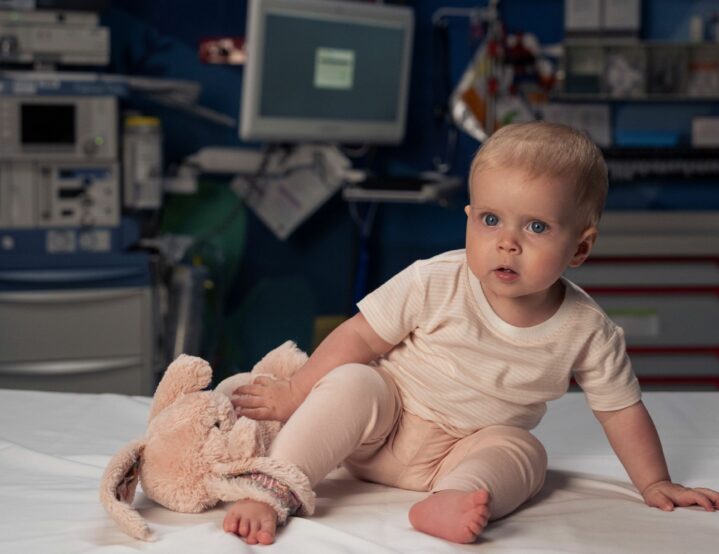
Each year, more than 1,000 Australian children and adolescents are diagnosed with cancer – a statistic that is as terrifying as it is heartbreaking.
For many families, a diagnosis marks the beginning of a difficult road, filled with uncertainty and hardship. While childhood cancer survival rates have significantly improved over the last few decades, brave young patients often face months or even years of intensive therapies, hospital stays and potential long-term side effects.
But a better future is within reach.
Improving outcomes daily
Queensland Children’s Tumour Bank (QCTB) is an openly accessible paediatric tumour tissue bank designed to collect and distribute tissue samples to childhood cancer researchers across the globe for use in research projects ultimately aimed at improving health outcomes for children with cancer.
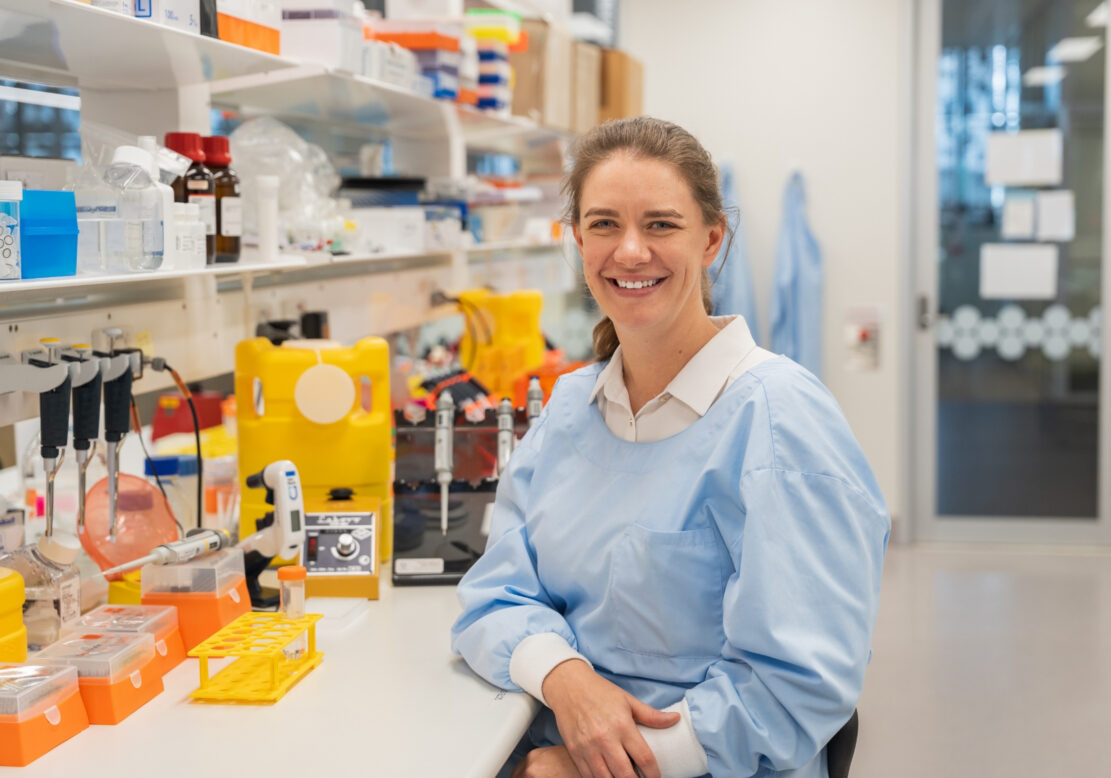
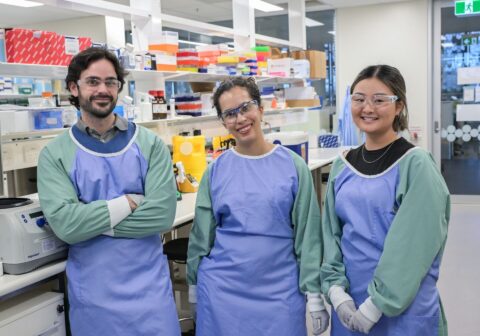
Dr Johanna Schagen, Queensland Children’s Tumour Bank Coordinator, works tirelessly day-in and day-out to ensure life-changing breakthroughs in childhood cancer are possible by managing the collection and distribution of tissue samples, liaising between hospital teams and external researchers and ensuring all samples are used effectively.
“There are so many incredible things happening behind the scenes to benefit children,” said Dr Schagen. “Whether it’s kids now or in the future, [funding] is actually helping them through science and research.”
Making new treatments possible
Since opening in 2008, Queensland Children’s Tumour Bank has stored more than 188,040 individual samples in its dedicated facility at the Centre for Children’s Health Research, assisting 90 research projects across Australia, the United Kingdom, Canada, the United States of America and the Netherlands.
Some of the most recent breakthroughs QCTB made possible include:
- Matching children with high-risk cancers to treatments tailored to their tumours’ genetics, doubling the number of patients who responded to treatment and changing treatment practices across Australia
- Understanding why certain leukaemias stop responding to JAK-inhibitor drugs, allowing doctors to track resistance better and select more effective treatments for child leukaemia patients
- Discovering a previously under-recognised, high-risk form of T-cell leukaemia and identifying PARP inhibitors as a promising new treatment option for patients
- Uncovering a new internal trigger for leukaemia and deepening understanding of how it starts at a molecular level
- Mapping paediatric brainstem tumours in greater detail and uncovering new potential treatments through rare, diffuse intrinsic pontine glioma (DIPG) post-mortem tissue samples.
Your support ensures highly trained researchers like Dr Schagen can continue to uncover groundbreaking advances in childhood cancer on a global scale – that the road to recovery for patients and families doesn’t have to be limited by yesterday’s treatment. Donate today to make a difference in childhood cancer research.
Learn more about how you can be part of the next breakthrough here.
The difference that shapes their world
Through supporting the Children’s Hospital Foundation, you can improve childhoods and ensure all children and young people have access to treatment - sooner.