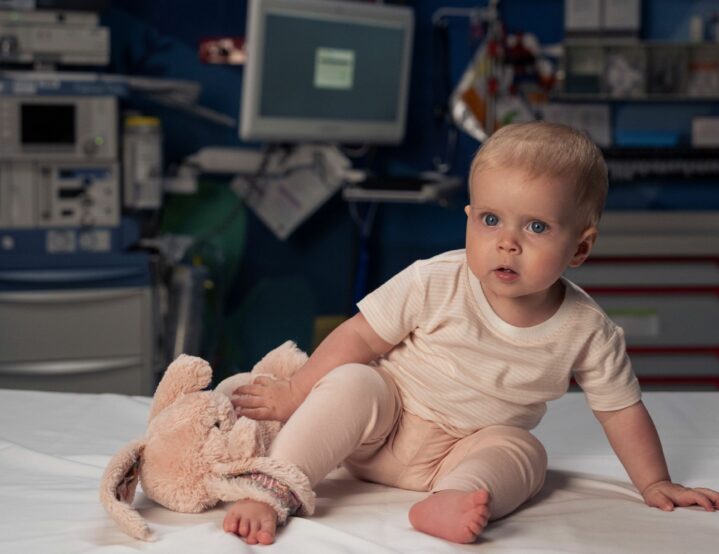
In children’s hospitals, much of a child’s day is spent waiting. Waiting for scans, for doctors and for answers they are often too young to understand.
For a child, waiting stretches time and leaves fear with nowhere to go.
Even adults struggle with hospital waiting. One study found that adult inpatients spent nearly two hours a day doing nothing at all — no reading, no screens, just waiting [1].
At the Queensland Children’s Hospital, waiting is unavoidable.
What changes is what fills the time.
Filling the quiet with colour
Through the work of the Children’s Hospital Foundation and a community of “special guests”, anxious pauses are transformed into moments of play, colour and interruption. The hospital remains serious in its healing, but the heaviest moments become lighter.
“He’s had a really hard day, and this is amazing. I haven’t seen him smile in days,” a family member told us.
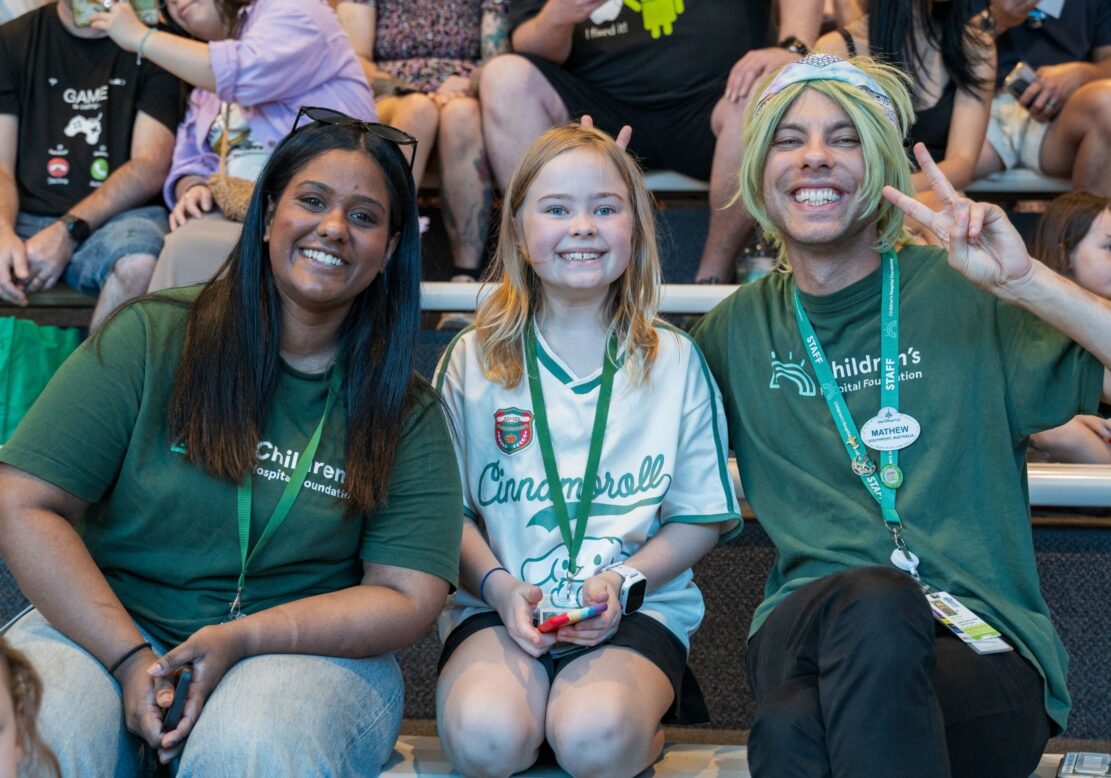
Our special guests come from many worlds, but they arrive for the same reason: to give children something to look forward to. They give their time to meet children where they are — between needles, between news, or between a fiercely competitive round of sibling UNO.
Over the past two years, children have been visited by sporting stars from local, national, and international teams. One particularly memorable visit came from American monster truck drivers, helmets and all.
Bringing joy to sick kids
Musicians step in between appointments to fill the space with sound, like Grammy winners passing through Brisbane for less than a day and resident local artists who show up guitar tuned! Entertainers juggle at the bedside and sometimes a child’s blood pressure drops as quickly as their laughter rises.
Mascots roam the halls often enough to feel familiar, turning corridors into places children recognise rather than fear. Bluey and Bingo, SpongeBob SquarePants, and the Teenage Mutant Ninja Turtles are now part of a child’s hospital day.
None of this happens by accident. Every visit is carefully facilitated because these moments sit inside some of the most vulnerable days of a child’s life.
Before a guest arrives, families and clinical staff are consulted to ensure the visit is welcome and appropriate. This protects choice and prevents joy from becoming pressure.
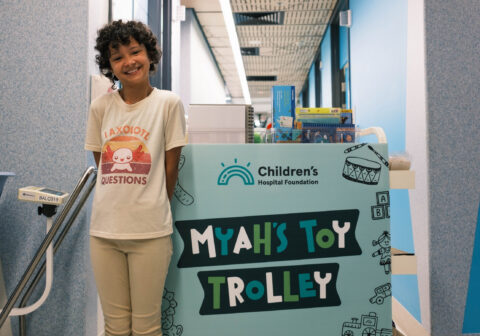
Play does the rest. A simple trolley of games stacked with UNO, Jenga and Spot It creates an easy entry point and lets conversation happen naturally between each drawn pick-up-four.
Most importantly, the child leads. They choose the song (often Baby Shark), the game, the challenge, or, in one memorable case, run a twenty-minute game of hide and seek around a hospital bed.
The shift can be immediate. Children move from tears to laughter, from fear to “one more game.”
Families feel it too. We often watch parents soften and lean in during private bedside performances, finding moments of connection on otherwise overwhelming days.
The difference one moment can make
Research confirms what staff see every day: play-based distraction reduces anxiety and negative emotions in hospitalised children [2]. It also shapes how children and caregivers later remember the hospital.
One teenage patient FaceTimed her friends the moment an NRL team left her room, proudly holding up a signed hat. Could a signed boy band poster be next?
Across 2024 and 2025, the Children’s Hospital Foundation facilitated 138 special guest visits. More than 5,000 patients, siblings and caregivers were reached.
Children will always wait in hospitals. But the wait doesn’t have to be lonely.
At the Queensland Children’s Hospital, we choose to ease what must be endured. Who should be our guest in 2026 — and what might a child remember because they came?

The difference that shapes their world
Through supporting the Children’s Hospital Foundation, you can improve childhoods and ensure all children and young people have access to treatment - sooner.